Identity Verification: What It Is, How It Works, and Why It Matters for Digital Businesses
Identity Verification: What It Is, How It Works, and Why It Matters
Identity verification is the process of confirming that a person is who they claim to be using personal data, government-issued documents, and biometric technologies such as facial recognition and liveness detection.
As more businesses move online, identity verification has become a critical part of secure digital onboarding. From banks and fintech companies to e-commerce platforms and healthcare providers, organizations rely on AI-powered identity verification to prevent fraud, meet regulatory requirements, and build customer trust.
In this guide, you'll learn how identity verification works, why it matters, and how Lumiid helps businesses verify users quickly and securely.
What Is Identity Verification?
Identity verification is the process of validating a person's identity by comparing the information they provide with trusted sources.
A modern identity verification system checks multiple data points, including:
- Government-issued IDs
- Facial biometrics
- Liveness detection
- Official databases
- Device and behavioral signals
By combining these verification layers, businesses can confidently confirm that every new account belongs to a real person.
Identity verification is the foundation of digital trust, enabling organizations to onboard customers securely while reducing fraud.
From Traditional Identity Verification to Digital Identity Verification
Identity verification used to require customers to visit physical branches with paper documents.
Today, digital identity verification allows users to complete the same process remotely using a smartphone or computer.
Benefits include:
- Faster customer onboarding
- Lower operational costs
- Improved customer experience
- Greater scalability
- Reduced manual verification
However, the shift to digital services has also increased identity fraud, making AI-powered verification more important than ever.
Why Identity Verification Is More Important Than Ever
The Growth of Digital Transactions
Consumers now open bank accounts, apply for loans, purchase insurance, and register online without ever visiting a physical office.
This rapid digital transformation has increased the demand for reliable identity verification solutions that protect both businesses and customers.
Rising Identity Fraud
Cybercriminals continue to develop sophisticated fraud techniques, including:
- Stolen identities
- Synthetic identities
- Fake documents
- Deepfake videos
- Face-swapping attacks
- Account takeover attempts
Without robust identity verification, businesses face:
- Financial losses
- Regulatory penalties
- Reputational damage
- Poor customer trust
How Identity Verification Works
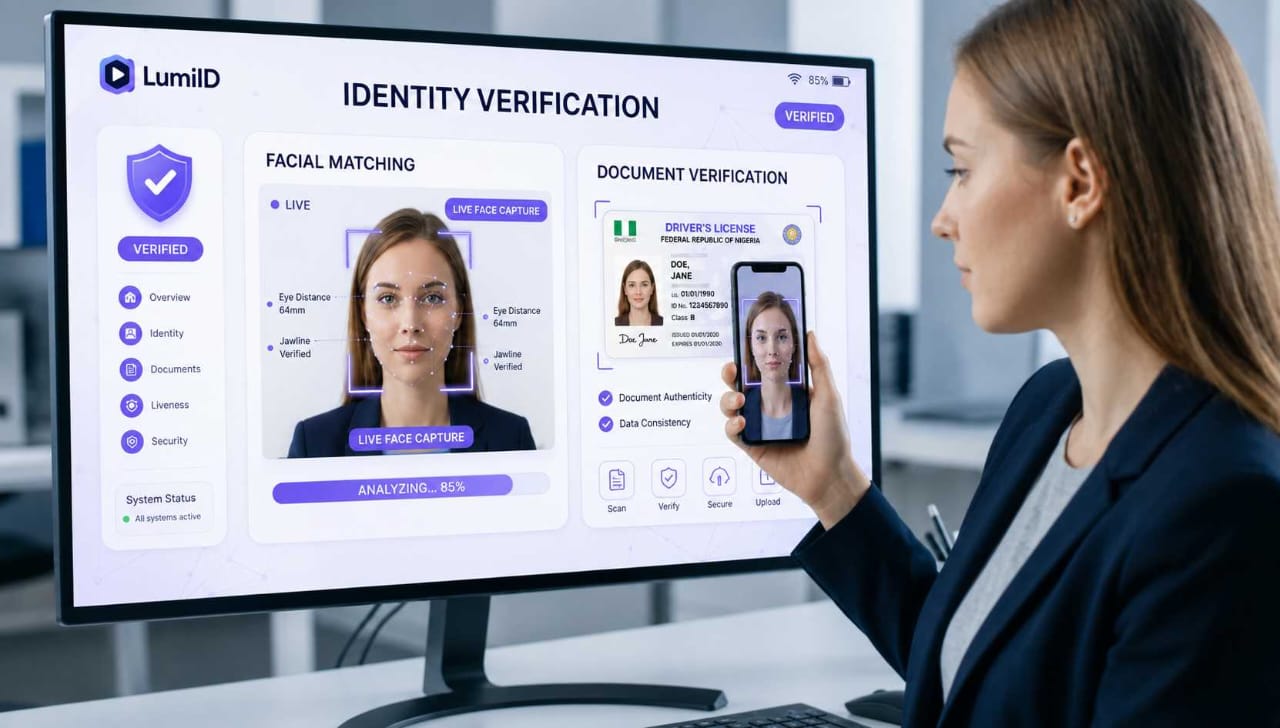
Most AI-powered identity verification platforms follow five core steps.
1. Data Capture
Users upload a government-issued ID and take a selfie.
The system securely collects all information required for verification.
2. Document Verification
AI analyzes the submitted ID to determine whether it is authentic.
The system checks for:
- Tampering
- Forgery
- Expired documents
- Missing security features
3. Face Matching
Facial recognition technology compares the user's selfie with the photo on their identity document.
This ensures both images belong to the same individual.
4. Liveness Detection
Liveness detection confirms the user is physically present rather than using:
- Printed photos
- Screens
- Videos
- Deepfake technology
This is one of the most effective methods for preventing biometric spoofing.
5. Decision Engine
The platform combines document verification, biometric matching, risk signals, and fraud analysis to approve or reject the verification request.
Modern AI systems can complete the entire process in just a few seconds.
Core Components of an Identity Verification System
ID Document Verification
Authenticates government-issued documents such as:
- National IDs
- Passports
- Driver's licenses
Facial Recognition
Compares facial biometrics between the user and their ID with high accuracy.
Liveness Detection
Ensures the user is a real person rather than a spoofing attempt using images or AI-generated media.
Database Verification
Cross-checks identity information against trusted databases where available.
OTP Verification
One-Time Passwords (OTP) confirm ownership of a phone number or email address.
While useful as an additional security layer, OTP alone does not verify a person's identity.
Identity Verification Use Cases
Banking and Financial Services
Banks use identity verification to:
- Meet KYC requirements
- Prevent account fraud
- Open accounts securely
- Reduce identity theft
Fintech and Digital Lending
Fintech companies verify users before approving:
- Digital wallets
- Loans
- Credit applications
- Buy Now, Pay Later (BNPL) services
Telecommunications
Telecom providers verify customer identities during:
- SIM card registration
- New account activation
- eSIM onboarding
E-commerce
Online marketplaces use identity verification to:
- Prevent fake seller accounts
- Reduce payment fraud
- Improve marketplace trust
Healthcare
Healthcare organizations verify patient identities before granting access to medical records or telehealth services.
Risks of Weak Identity Verification
Organizations using outdated verification methods expose themselves to significant risks.
Account Takeover
Attackers gain unauthorized access to legitimate customer accounts.
Fake Account Creation
Fraudsters create multiple fake identities to abuse promotions or conduct fraudulent transactions.
Regulatory Non-Compliance
Industries subject to KYC and AML regulations may face severe penalties if customer identities are not properly verified.
Deepfake Attacks
AI-generated deepfakes can bypass traditional verification systems.
Common attacks include:
- Face swapping
- AI-generated videos
- Emulator attacks
- Replay attacks
How AI-Powered Identity Verification Prevents Fraud
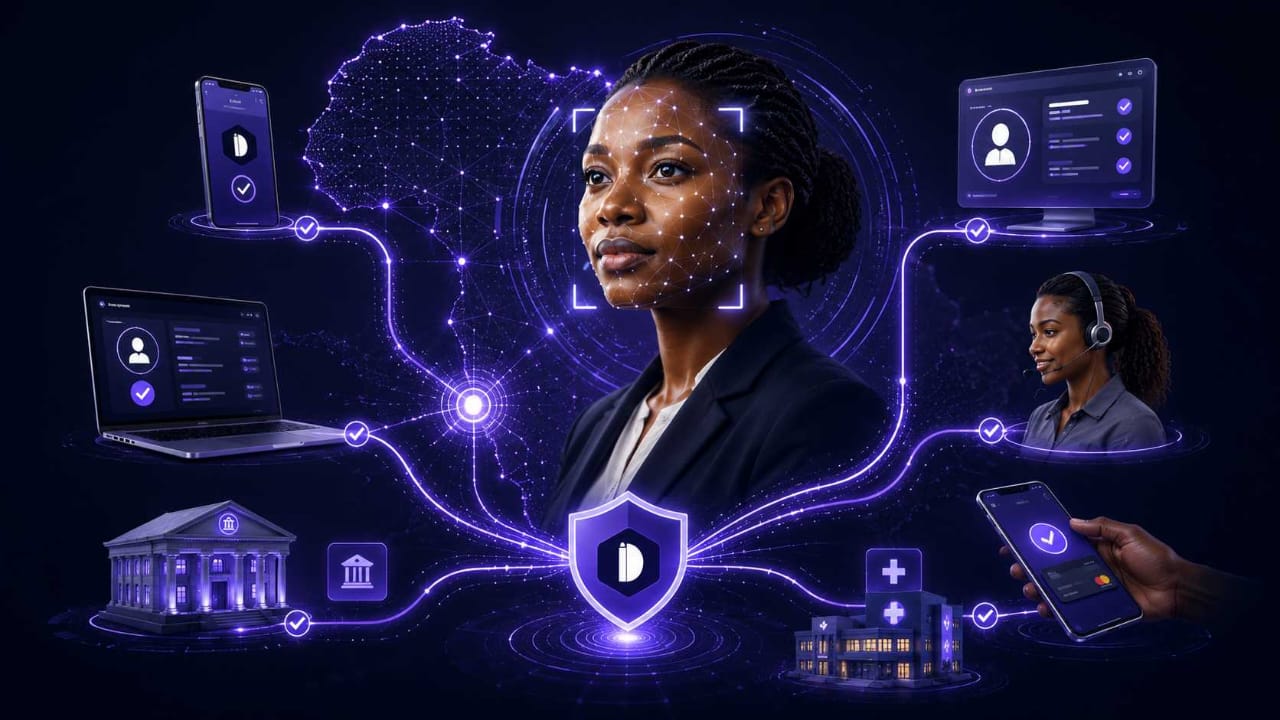
Modern identity verification platforms combine multiple technologies into one intelligent verification workflow.
These include:
- AI document verification
- Facial recognition
- Passive liveness detection
- Risk scoring
- Fraud detection
- Device intelligence
Using multiple verification layers dramatically improves fraud detection while reducing false positives.
Benefits of Identity Verification
Implementing identity verification provides several business advantages.
Stronger Security
Prevent identity fraud before accounts are created.
Faster Customer Onboarding
AI automates identity verification, allowing users to complete onboarding within seconds.
Better Customer Experience
A smooth verification process reduces friction while maintaining security.
Regulatory Compliance
Meet KYC, AML, and other regulatory requirements with confidence.
Lower Operational Costs
Automated identity verification minimizes manual review and speeds up customer onboarding.
Best Practices for Choosing an Identity Verification Solution
When evaluating an identity verification provider, consider whether it offers:
- AI-powered verification
- High biometric accuracy
- Passive liveness detection
- Real-time processing
- API integration
- Regulatory compliance
- Enterprise-grade security
- Scalable infrastructure
Why Businesses Choose Lumiid for Identity Verification
Lumiid helps businesses verify customer identities quickly, accurately, and securely through an AI-powered identity verification platform.
With Lumiid, organizations can:
- Verify identities in seconds
- Detect document fraud automatically
- Prevent deepfake and spoofing attacks
- Perform facial recognition with high accuracy
- Integrate verification APIs into existing applications
- Support secure digital onboarding at scale
By combining document verification, biometric authentication, and intelligent fraud detection into one platform, Lumiid simplifies identity verification while improving security and customer experience.
The Future of Identity Verification
Identity verification continues to evolve as AI and biometric technologies become more advanced.
Emerging trends include:
- Behavioral biometrics
- Voice authentication
- Continuous identity verification
- AI-powered fraud detection
- Digital identity wallets
- Privacy-preserving verification technologies
Businesses adopting these innovations will be better positioned to combat increasingly sophisticated fraud.
Frequently Asked Questions
What is identity verification?
Identity verification is the process of confirming that someone is who they claim to be using documents, biometrics, and trusted data sources.
Is OTP enough for identity verification?
No. OTP verifies ownership of a phone or email but cannot confirm a person's actual identity.
How long does identity verification take?
Modern AI-powered identity verification systems typically complete verification within a few seconds.
Is identity verification secure?
Yes. When combined with document verification, facial recognition, and liveness detection, identity verification provides a highly secure method for confirming user identities.
Is identity verification mandatory?
Yes. Many regulated industries, including banking, fintech, insurance, and telecommunications, require identity verification to comply with Know Your Customer (KYC) and Anti-Money Laundering (AML) regulations.
What technologies are used in identity verification?
Common technologies include:
- Artificial Intelligence (AI)
- Facial recognition
- Liveness detection
- OCR (Optical Character Recognition)
- Document verification
- Fraud detection
- Risk scoring
Secure Your Digital Business with Lumiid Identity Verification
Identity verification is no longer optional. As digital fraud becomes more sophisticated, businesses need intelligent verification systems that protect users without creating friction.
Lumiid's AI-powered identity verification platform enables organizations to reduce fraud, accelerate onboarding, and meet compliance requirements with confidence.
Whether you're building a fintech platform, digital marketplace, telecommunications service, or enterprise application, Lumiid helps you verify identities quickly and securely.
Ready to strengthen your onboarding process? Contact Lumiid today to discover how AI-powered identity verification can protect your business and improve customer trust.